"" has been added to your cart





Lines from Ukrainian poetry are written on walls in cities, quoted in soldiers’ letters, shown up as tattoos, captions, and mottos. The poems have been carried through exiles, copied out by hand, and read aloud at the moments that defined modern Ukraine.
For anyone learning Ukrainian, poetry is also a milestone, and one of the most rewarding ones. It’s where the language stops being a system of rules and becomes something else entirely: a literary tradition full of beauty, complexity, and meaning that repays every hour you put into it.
To read Lesia Ukrainka in Ukrainian, to follow Stus line by line, to understand what Kostenko is actually saying — that’s a kind of closeness to the culture that no phrasebook or grammar table can get you to.
That’s why in Season 6 of the Ukrainian Lessons Podcast, the podcast host Anna dedicated a full mini-series to Ukrainian poetry, designed for intermediate and advanced learners. Each episode takes one celebrated poem, recites it slowly and clearly, and works through the vocabulary, grammar, and meaning in depth — exploring the values at the heart of each poem and why they remain so central to Ukrainian identity.
Browse the full series below to explore the richness of Ukrainian poetry!
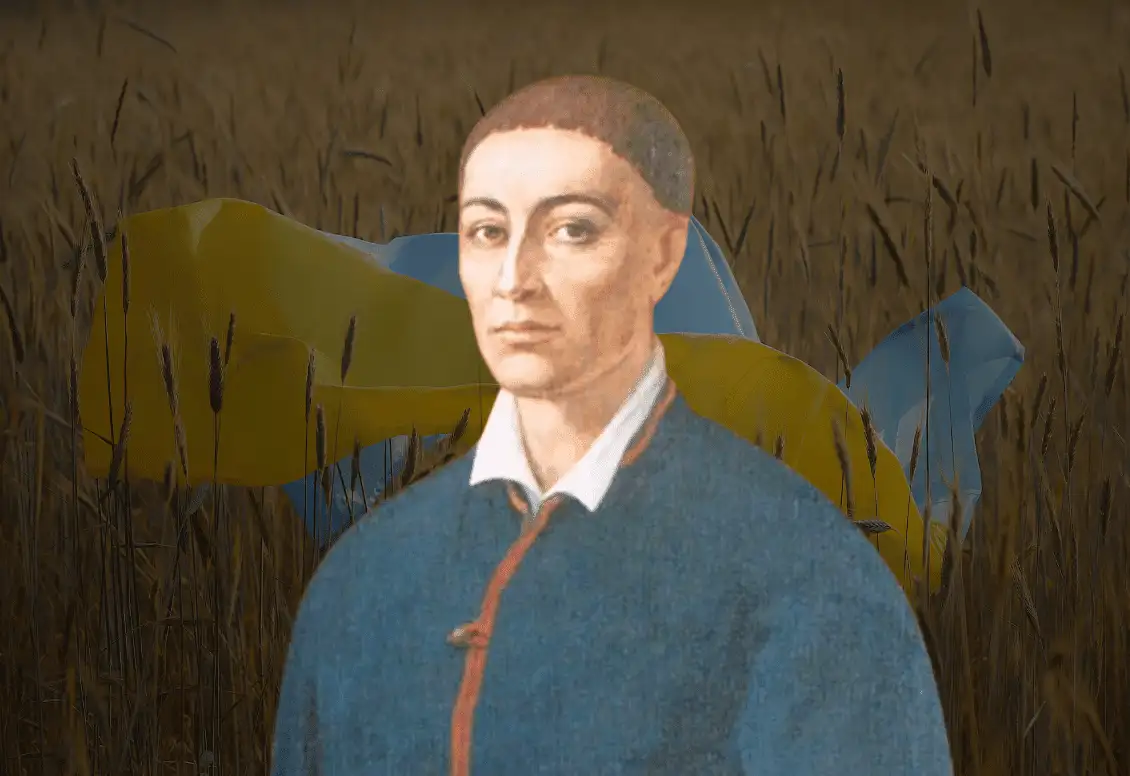
The series opens with one of Ukraine’s earliest and most revered philosophers and poets. He gave away everything he owned and spent his last decades wandering Ukraine on foot.
Skovoroda’s “De libertate” puts СВОБОДА — freedom —at the center of Ukrainian identity. Delve into the richness of his poetry, explore its language and themes by listening to the episode!
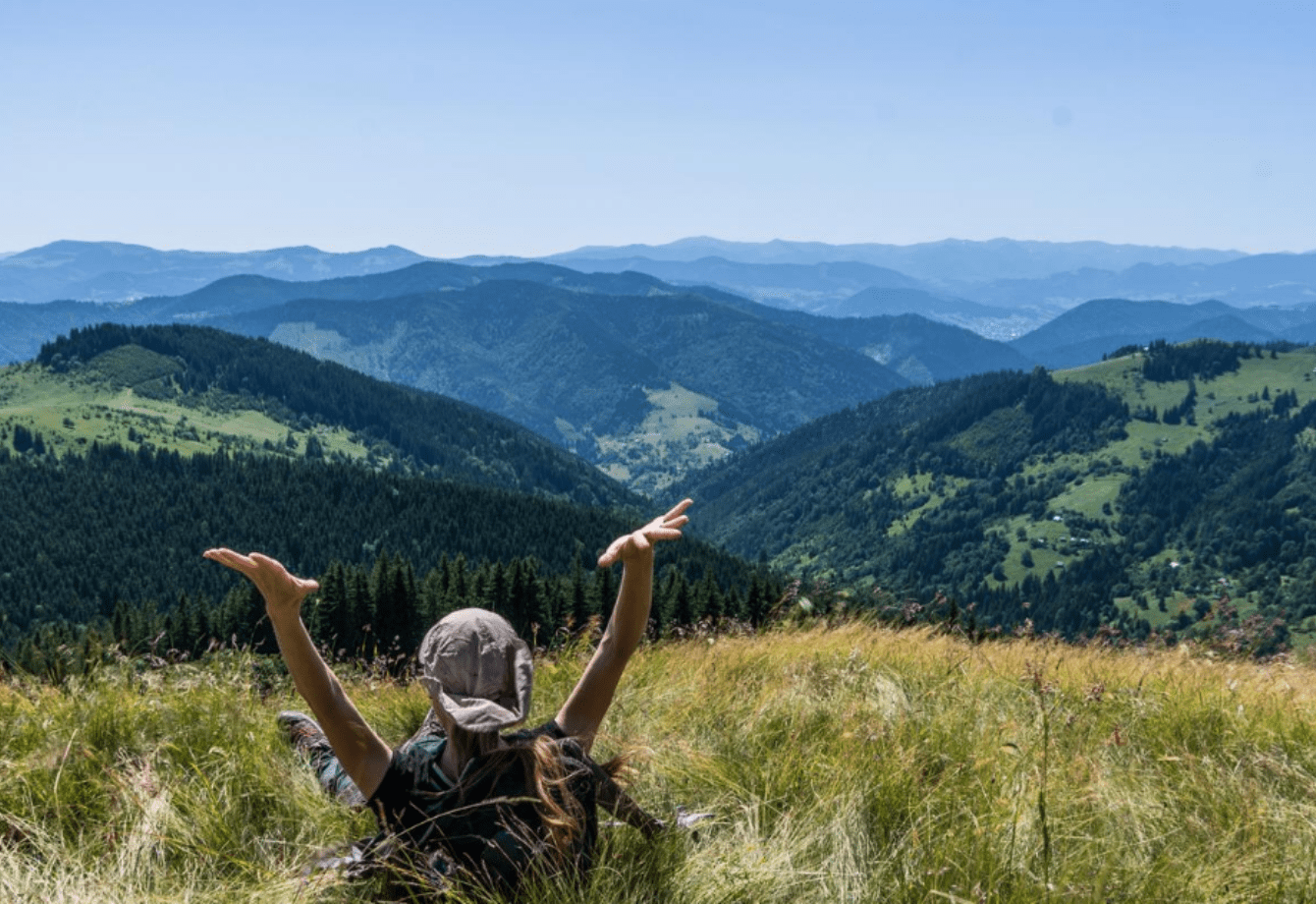
Discover powerful Ukrainian words that capture the spirit of Ukraine today. Listen to their pronunciation, learn their meanings, and explore a quick grammar lesson on the third declension.
No Ukrainian poetry analysis would be complete without Shevchenko. His “Testament” («ЗАПОВІТ») is a powerful, enduringcall to fight for freedom, and one of the most important poems in the Ukrainian language.
Learn new vocabulary and explore why this poem still resonates so deeply today!
How did Taras Shevchenko become Ukraine’s prominent symbol, and why is his legacy still so relevant these days? Find out about Shevchenko and his impact on modern Ukraine!
This is one of the most celebrated poems, a defiant declaration of hope against all odds. Lesia Ukrainka wrote this at 19, already living with tuberculosis that would follow her for the rest of her life.
The podcast host Anna walks through each line in slow Ukrainian, unpacking the vocabulary and the spirit behind one of Ukraine’s most beloved works.
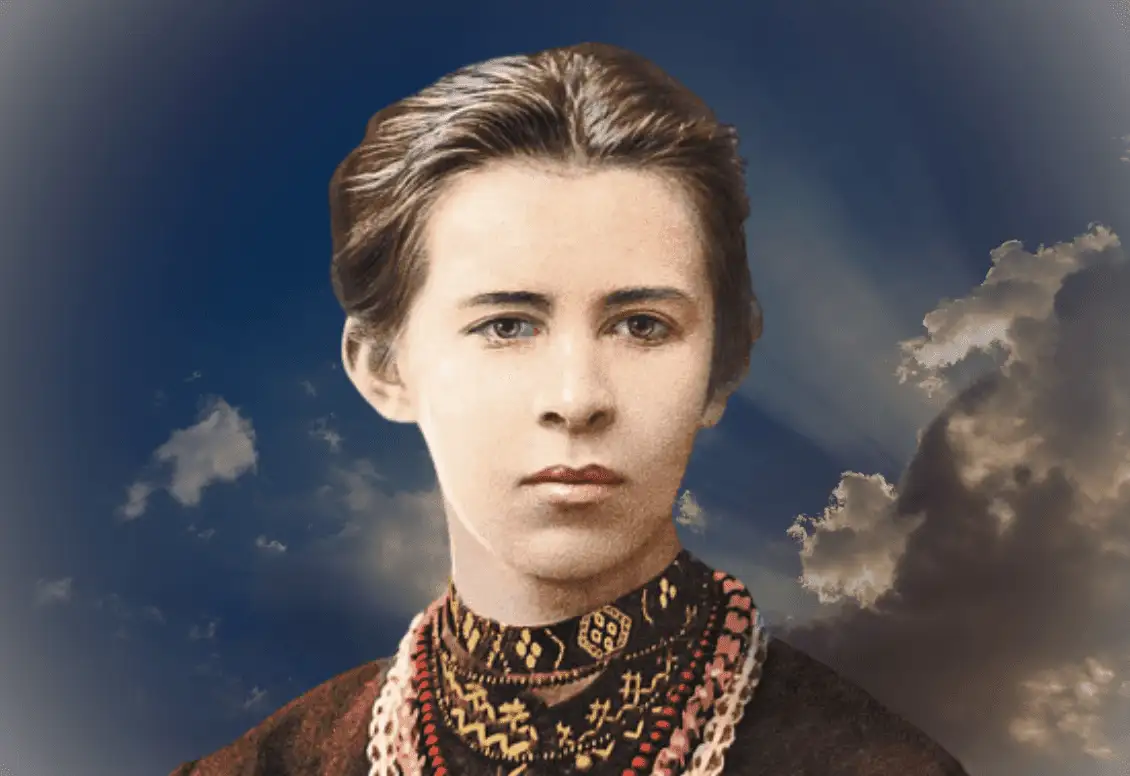
Discover the story of Леся Українка — one of the greatest Ukrainian writers and first feminist artists in Ukraine. In this episode, you will also learn about фемінітиви — female gender-marked nouns!
“Oh native word! Chained eagle…” — a poem about language, homeland, and the urgency of preserving both. Oleksandr Oles spent much of his life in exile, as returning to Soviet Ukraine became impossible for him.
This poem was written from that distance. It’s about the Ukrainian language as something that can be taken from you.
Tychyna is one of the most complex figures in Ukrainian literature — a genuinely brilliant poet who later became a symbol of compromise with the Soviet regime.
The poem “Groves Murmur” is early Tychyna, before all that: pure, musical, untouched. One of the most beautiful things ever written in Ukrainian, a lyrical exploration of Ukrainian nature and landscape.
Want to read Ukrainian literature to boost your language skills and deepen cultural understanding? Discover our handpicked resources and dive into timeless classics and modern gems!
Love poetry in Ukrainian — and a rich one at that. Anna’s detailed analysis unpacks the emotional depth and linguistic nuances of Sosiura’s famous romantic poem.
Symonenko was a journalist and poet who died at 28 from injuries after a beating by Soviet police. He published one collection in his lifetime.
This poem — “You know that you are human” — is the argument for the value of a single life. It hits differently knowing how short his was.
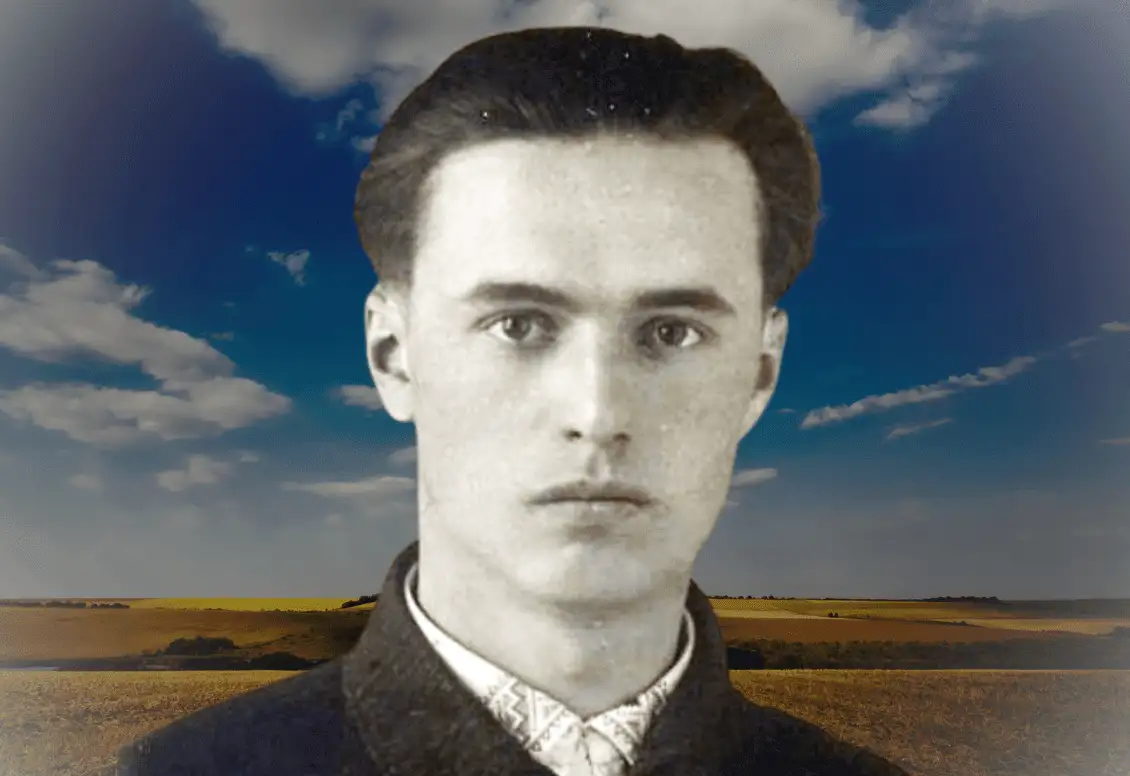
ЧЕРВОНЕ І ЧОРНЕ — red and black. It comes from embroidery: the two colors of traditional Ukrainian vyshyvanka patterns, stitched in. This poem is also one of Ukraine’s most beloved songs.
Explore the symbolism behind these two colors and why they run so deep in Ukrainian culture.
Practice your Ukrainian with the iconic song “Chervona Ruta” by exploring its lyrics, English translations, and cultural significance!
Vasyl Stus spent years in Soviet labor camps and was nominated for the Nobel Prize in Literature in 1985 — the year he died in prison. He was only 47.
This poem was written inside that world, and carries it. The episode explores the power behind his words and the life that gave them weight.
Lina Kostenko is 96, and she is one of the most quoted living poets in Ukraine. During the Soviet era, she refused to conform and went unpublished for 16 years.
Her poem “Words are scary when they are silent” is a reminder of what language is for and what happens when it goes quiet.
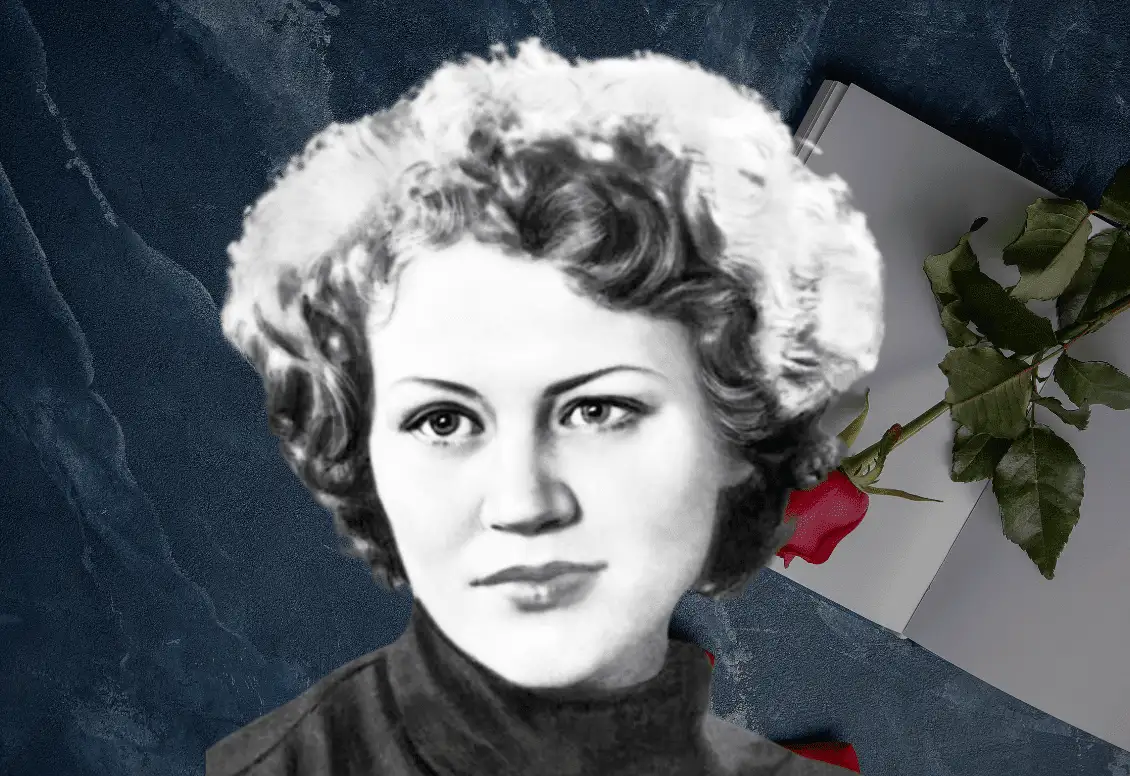
From children’s books to accessible classics and modern fiction — explore our curated collection of books in Ukrainian that are perfect for language learners!
***
Enjoyed the series? We have more collections worth exploring:
⏯️ 10 Podcast Episodes for Ukrainian Language Beginners
⏯️ About Crimea: Ukrainian Lessons Podcast Short Series
Learning Ukrainian and looking for great resources? Check out our list of 1000 most common words in Ukrainian with interactive flashcards. You can also learn Ukrainian step by step wherever you are with our free Ukrainian Lessons Podcast.